Baby Chimpanzee Embroidery Review for Makers
As an embroidery designer who spends countless hours digitizing and testing files, I have developed a keen eye for what makes a machine embroidery design truly viable for commercial use. It is not just about how cute the image looks on a screen; it is about stitch flow, density management, and how well the final piece holds up after washing and wearing. Recently, I took a close look at the Baby Chimpanzee listing on Creative Fabrica to determine if it deserves a spot in my active project folder. This review breaks down the practical application of this redwork-style file for real-world handmade products.
First Impressions and Visual Appeal
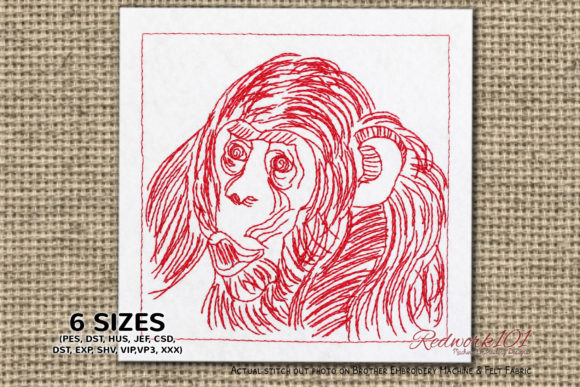
The immediate standout feature of the Baby Chimpanzee is its charming, whimsical character. In the world of Wild Animals themed Embroidery, designs often lean toward realistic or overly complex styles. However, this particular file offers a superb redwork aesthetic that feels both modern and timeless. The simplicity of redwork, which traditionally uses a single color thread, allows the line work to shine without the bulk of heavy fill stitches. This gives the design a lightweight, airy feel that is perfect for delicate fabrics.
The description notes that the Box Stitch shown in the preview is optional. This flexibility is crucial for designers who want to integrate the chimpanzee into larger compositions or keep it as a standalone focal point. The visual mood is playful yet sophisticated, making it suitable for a wide range of demographics, from nursery decor to trendy adult apparel.
Practical Application for Handmade Products
When evaluating a new digital embroidery file, I always ask myself where it will sell best. The Baby Chimpanzee is versatile enough to anchor several high-demand product categories. Here is how I envision using this design in a small business context:
- Custom Apparel: The clean lines work beautifully on sweatshirt embroidery, particularly on the chest pocket area or sleeve cuffs. Because redwork is less dense than satin or fill stitches, it sits flatter on the fabric, reducing the risk of puckering on stretchy materials.
- Tote Bag Design: Canvas bags benefit from bold, clear imagery. This chimpanzee design provides a striking contrast against natural cotton or denim, creating an eye-catching handmade product that appeals to eco-conscious buyers.
- Nursery Decor: For baby blankets or pillow covers, the gentle nature of the subject matter is ideal. It serves as a wonderful personalized gift option when paired with a name or birth date in a complementary font.
- Embroidered Patch: If you create iron-on or sew-on patches, this design’s outline style translates well to felt or twill backings, allowing for clean cutting and professional finishing.
Technical Considerations and Stitch Performance
While the aesthetic is appealing, the technical execution determines whether a design is a joy to stitch or a nightmare to troubleshoot. Redwork designs primarily utilize running stitches. This means the stitch density is generally lower than other styles, which is a significant advantage for speed and fabric integrity. However, there are critical factors to consider before loading this onto your machine.
Since the design relies on outlines rather than solid coverage, the choice of thread colors is paramount. A high-contrast thread against the fabric background is essential to ensure the details of the chimpanzee’s face and limbs are visible. If you are stitching on dark fabric, you may need to adjust the brightness of your thread or use a metallic variant to make the design pop. Conversely, on light fabrics, a deep navy or classic red works exceptionally well.
Another practical note involves the optional box frame. If you choose to include it, ensure your hoop size can accommodate the full dimensions without forcing the fabric edges too close to the needle plate. For curved surfaces like caps, the flat nature of redwork is beneficial, but you must still use an appropriate stabilizer to prevent distortion during the stitching process. A cut-away stabilizer is often recommended for items that will undergo frequent washing, such as kitchen towels or baby items, to maintain the shape of the embroidery over time.
Enhancing Product Value and Brand Consistency
Incorporating unique assets like Baby Chimpanzee can significantly elevate your brand’s perceived value. Customers are increasingly drawn to items that feel curated and artistic rather than mass-produced. By using a distinctive applique design or redwork pattern, you differentiate your finished product from generic store-bought goods. This uniqueness fosters buyer trust and encourages repeat customers who appreciate the attention to detail.
Furthermore, this design lends itself well to product photography. The clear lines and cute subject matter create strong visual appeal in online listings, whether you are selling on Etsy or your own website. When creating printable mockup images for your shop, the simplicity of the design allows it to blend seamlessly into various lifestyle settings, helping potential buyers visualize the item in their own homes.
Essential Pre-Stitching Checklist
Before committing to a large batch of commercial embroidery projects, I always recommend a rigorous testing phase. Here is a checklist to ensure success with the Baby Chimpanzee file:
- Test on Scrap Fabric: Always stitch out a sample on the exact fabric type you intend to use for the final product. This helps you identify any tension issues or registration errors.
- Check File Details: Since specific technical data such as exact stitch count, available file formats, and compatible hoop sizes are not explicitly detailed in the brief description, you must verify these details on the Creative Fabrica product page. Ensure your machine can read the provided formats.
- Review Licensing Terms: Confirm the license agreement regarding commercial use. While many Creative Fabrica designs allow for physical sales, it is crucial to understand any limitations on quantity or digital redistribution.
- Inspect Small Details: After the test stitch, examine the smaller features of the chimpanzee’s face. If any areas appear too sparse or prone to snagging, consider adding underlay stitches or adjusting the pull compensation in your software if you have editing capabilities.
- Compare Mockups: Create digital mockups on both light and dark backgrounds to decide which colorways offer the best marketability for your target audience.
Final Verdict for Creative Entrepreneurs
The Baby Chimpanzee embroidery design offers a delightful blend of charm and practicality. Its redwork style makes it accessible for beginners while providing enough character for seasoned professionals to create standout items. Whether you are designing a cozy baby blanket, a stylish tote bag, or a quirky apron, this file has the potential to become a staple in your design assets library. By paying attention to thread contrast and stabilization, you can produce high-quality custom apparel and home goods that resonate with customers. As always, thorough testing and adherence to licensing guidelines are key to building a sustainable and reputable embroidery business.