Layered Elephant: A Designer’s Craft Fair Review
As an embroidery designer who has spent countless weekends behind a booth table, I know that not every design translates into a bestseller. Some look stunning on a screen but fall flat in person. Others are technically impressive but too time-consuming for batch production. When I first loaded the Layered Elephant machine embroidery design onto my hoop, I was looking for that sweet spot between visual impact and production efficiency. This review is written for fellow Etsy sellers, boutique makers, and creative entrepreneurs who need to know if this design will actually move inventory at a busy handmade market.
First Impressions: Style and Visual Appeal
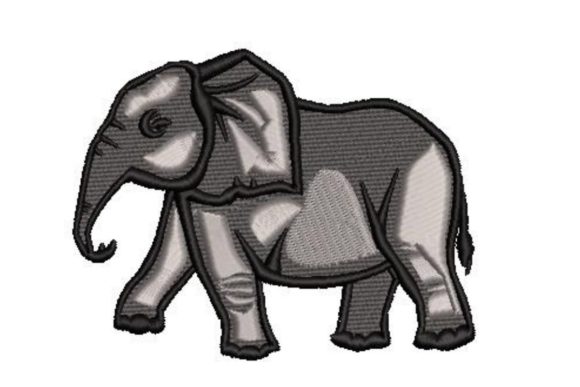
The term "layered" in the title immediately suggests depth and dimension, which is crucial for standing out in a crowded Wild Animals category. Upon stitching out the sample, the design feels modern yet soft. It avoids the cartoonish extremes that sometimes plague animal motifs, leaning instead toward a stylish, decorative aesthetic. This makes it versatile enough for both nursery decor and adult accessories. The layering effect creates a sense of movement, giving the elephant a premium look that elevates it above basic clipart-style Embroidery. For a craft fair booth, this visual sophistication is key. It signals to customers that the item is a high-quality handmade product, not just a generic printed good.
Product Versatility for Market Sellers
The true test of any digital embroidery file is its adaptability. Can it work across multiple product lines? Here is how Layered Elephant performs on common craft fair items:
- Tote Bags and Market Bags: This is arguably the strongest application. A large-scale placement on a canvas tote creates an instant statement piece. The tote bag design potential here is high because the layered look holds up well against the sturdy fabric texture of canvas or cotton duck.
- Aprons and Kitchen Textiles: For apron embroidery, placing the elephant on the bib or lower corner adds a whimsical touch. It also works beautifully for tea towel embroidery, provided the scale is adjusted correctly. Customers love cohesive kitchen sets, so pairing an embroidered towel with a matching apron can increase average order value.
- Apparel and Caps: On curved surfaces like caps, you must be cautious. The layering effect requires precise registration. If the design is too wide, it may distort on the front panel. However, as a left-chest accent on a denim jacket or t-shirt, it serves as a subtle, stylish brand marker.
- Patches and Pouches: Creating an embroidered patch allows you to pre-produce inventory. You can stitch multiple elephants on stabilizer-backed fabric, cut them out, and sell them as iron-on additions or sew them onto small fabric pouches. This is a excellent strategy for reducing waste and speeding up booth setup.
Production Practicality and Batch Efficiency
For a small shop product, time is money. When evaluating Layered Elephant for commercial use, consider the workflow. Does the design require excessive thread changes? While the description mentions a stylish touch, it does not specify the exact number of colors. In my experience, layered designs often rely on tonal variations. If the thread colors are too similar, the effect may be lost from a distance. Conversely, high-contrast choices make the layers pop, which is essential for catching a buyer’s eye from three feet away.
Another critical factor is stitch density. Dense areas can cause puckering, especially on lighter fabrics like tea towels or thin cotton shirts. Before committing to a large batch, you must test the design on scrap fabric identical to your final product. Check for pull compensation and ensure the stabilizer you are using is robust enough to support the weight of the stitches. A cut-away stabilizer is often safer for garments that will be washed frequently, while tear-away may suffice for home decor items like pillow covers.
Photography and Online Listings
In the digital realm, your printable mockup and listing photos do the selling. Layered Elephant photographs well because the shadows created by the layered stitches add natural depth to images. You do not need heavy editing to make it look professional. For your Etsy seller profile, create lifestyle shots showing the design in context—a tote bag slung over a shoulder, an apron tied in a sunny kitchen, or a pillow on a cozy sofa. These design assets help customers visualize the finished product in their own lives. Ensure your lighting highlights the texture of the embroidery; flat lighting will flatten the layered effect and diminish the perceived value.
Careful-Use Notes and Technical Considerations
While the design is versatile, there are pitfalls to avoid. Be mindful of hoop size limitations. If the design is large, ensure your machine can accommodate the required frame without hitting obstacles. Additionally, consider the fabric texture. Highly textured materials, such as waffle-weave towels or thick wool, may obscure fine details within the layers. On dark fabric, ensure you are using bright or contrasting thread colors to maintain visibility. If the design includes tiny details, they may get lost when scaled down for small accessories like coin purses. Always zoom in to 100% on your screen to inspect the stitch path before loading the file.
It is also vital to confirm commercial licensing. The product description states it is a machine embroidery design for decorating home, clothes, or accessories, but it does not explicitly detail the license terms for mass production or digital resale. Always verify with the creator whether you can sell the finished product unlimitedly or if there are restrictions. Never assume a standard license applies to all vendors.
Boosting Brand Consistency and Buyer Engagement
Using a cohesive theme like Wild Animals can strengthen your brand identity. If your booth features a collection of nature-inspired items, Layered Elephant fits seamlessly into that narrative. Consistency builds trust. When customers see a well-executed, stylish design repeated across different products, they perceive your brand as professional and curated. This design encourages engagement because it invites touch. The raised texture of the layered stitches prompts customers to pick up the item, feel the quality, and imagine owning it. That tactile interaction is often the tipping point in a sale.
Final Verdict for the Creative Entrepreneur
Layered Elephant is a strong contender for your next craft fair lineup. It balances aesthetic appeal with practical application, working well on high-margin items like totes and aprons. To maximize success, focus on contrast in your thread choices, rigorously test your stabilizer combinations, and invest time in creating high-quality lifestyle photos. By treating this commercial embroidery asset with careful attention to detail, you can transform a simple digital file into a standout craft fair product that drives sales and enhances your brand’s reputation for quality handmade goods.