Top Hat: A Designer’s Review for Real Embroidery Projects
As a designer who has spent countless hours digitizing and stitching out machine embroidery designs, I have learned that not every motif translates well from screen to fabric. Some designs look crisp in a digital preview but turn into a tangled mess of thread breaks and puckering on the hoop. When I first encountered the Top Hat design, my immediate reaction was one of cautious optimism. It promises a "magical touch" to garments, a claim that sets a high bar for execution. After reviewing its structure and considering its application in real-world scenarios, I am ready to share my practical insights for fellow embroidery designers, Etsy sellers, and craft business owners.
First Impressions: Visual Personality and Mood
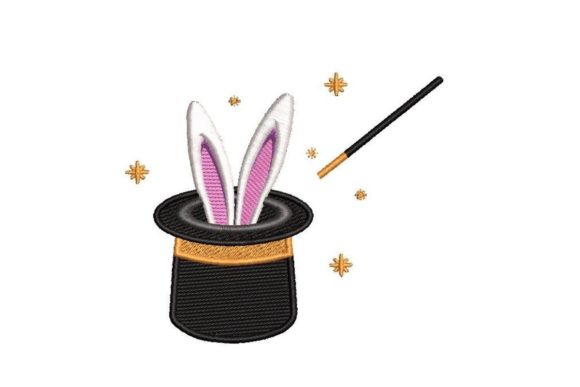
The Top Hat design carries a distinct vintage charm mixed with a whimsical flair. It is not merely a silhouette; it suggests a narrative. Whether you envision it as part of a steampunk aesthetic, a magician’s costume, or a quirky accessory for a child’s birthday outfit, the visual personality is strong. The shape is iconic, relying on clean lines and balanced proportions. For an embroidery project, this is crucial. Complex, overly detailed illustrations often fail when scaled down, but the recognizable form of a top hat allows for versatility.
What stands out initially is the potential for creative interpretation. Depending on how the digitizer has handled the transition between the brim and the crown, this piece can feel sleek and modern or textured and rustic. For those of us creating handmade products, the mood of the design dictates the fabric choice. A satin finish on silk suggests elegance, while a textured fill on denim suggests durability and casual wear. This duality makes it a valuable asset in a designer’s library of design assets.
Real-World Application: From Tote Bags to Sweatshirts
To truly evaluate a machine embroidery design, you must imagine it on actual products. I recently considered using the Top Hat for a custom apparel line aimed at theater enthusiasts. The concept was simple: embroidered sweatshirts featuring the hat alongside a subtle wand or rabbit motif. In this context, the design performs exceptionally well. The bold outline ensures visibility even from a distance, making it ideal for stage costumes or group gifts.
Beyond apparel, this design shines in home decor and accessories. Imagine it stitched onto a heavy canvas tote bag design. The structural integrity of the hat’s shape holds up well against the weave of canvas, provided the stitch density is managed correctly. For baby embroidery projects, such as a nursery wall hanging or a personalized blanket, the whimsical nature of the top hat adds a playful element without being overly juvenile. It bridges the gap between childish fun and sophisticated design, which is a rare and valuable trait for small shop products.
For Etsy sellers, the versatility of this motif cannot be overstated. It works as a standalone embroidered patch, allowing customers to iron or sew it onto existing jackets or hats. This modularity increases the perceived value of the finished product, as it offers customization options without requiring the seller to re-hoop multiple items. Whether used for holiday embroidery during a magic-themed party or as a year-round boutique branding element, the Top Hat adapts to the medium.
Technical Considerations and Stitching Performance
While the aesthetic appeal is strong, the technical execution requires careful attention. As an experienced reviewer, I always advise checking the stitch types used in the digital embroidery file. Does the design rely heavily on satin stitch for the brim? If so, ensure the width does not exceed your machine’s recommended limit to prevent snagging. Fill stitch areas in the crown need to be dense enough to cover the fabric but not so dense that they cause puckering, especially on lighter materials.
Fabric texture plays a significant role in the final outcome. On smooth fabrics like cotton or polyester blends, the Top Hat will appear crisp and defined. However, on textured fabrics like fleece or terry cloth, fine details may get lost. In such cases, using a cut-away stabilizer is non-negotiable to support the stitch density. For stretchy fabrics, such as those used in custom apparel like t-shirts, a tear-away stabilizer might suffice for larger hoops, but testing is essential.
One critical area to inspect is the connection points between different color blocks. If the design uses multiple thread colors to create depth or shading, look for jump stitches or tie-offs that might be visible on the back. For commercial embroidery projects where the inside finish matters, these details can affect customer trust and satisfaction. Always run a test stitch on scrap fabric that matches your final material. This simple step saves time, thread, and frustration.
Navigating Challenges: Hoop Size and Detail Clarity
Not every project is suited for every design. The Top Hat must be evaluated against your available hoop size. If you are working with a small 4x4 inch hoop, ensure the design scales down without losing its defining features. Tiny lettering or intricate decorative accents within the hat band may become indistinguishable if reduced too much. Conversely, if you are enlarging the design for a pillow cover or large tote, check for pixelation or stair-stepping in the digitized paths.
Dark fabric presents another challenge. If you are stitching a black top hat on a navy sweatshirt, the lack of contrast can make the design disappear. In these instances, consider adding a backing layer or choosing thread colors that provide sufficient contrast. Testing the design in black and white mockups can help you visualize how light and shadow will interact with the stitches before you commit to the final product.
Curved surfaces, such as caps or beanies, require special consideration. The flat geometry of a top hat design might distort when stitched onto a curved cap front. Use appropriate hooping techniques and stabilizers designed for caps to maintain the shape’s integrity. For beginners, starting with flat surfaces like aprons or tea towels is a safer bet to master the tension and alignment before tackling more complex garments.
Commercial Viability and Brand Consistency
For creative entrepreneurs and digital product sellers, the licensing terms of the Top Hat design are paramount. Before selling finished items or including the digital embroidery file in a bundle, confirm the license allows for commercial use. Many designers offer personal-use licenses by default, so upgrading to a commercial license is often necessary for Etsy sellers and small business owners.
From a branding perspective, consistency is key. If your shop specializes in vintage-inspired handmade products, the Top Hat fits seamlessly into your narrative. It enhances brand recognition by reinforcing a specific aesthetic. However, if your brand is minimalist and modern, this whimsical design might clash. Evaluate whether the design aligns with your overall product line and customer expectations.
Ultimately, the value of the Top Hat lies in its ability to evoke emotion and curiosity. It is not just a shape; it is a conversation starter. When customers see a well-executed embroidered top hat on a tote bag or sweatshirt, they perceive quality and attention to detail. This perception drives buyer engagement and encourages repeat purchases. By combining practical stitching techniques with thoughtful design placement, you can transform this single motif into a cornerstone of your craft business.
In conclusion, the Top Hat is a versatile and charming addition to any embroidery portfolio. It rewards careful preparation and technical precision with a polished, professional finish. Whether you are creating personalized gifts, expanding your small shop product range, or experimenting with new fabric textures, this design offers ample opportunity for creativity. Just remember to test, stabilize, and verify your licensing, and you will be well on your way to producing standout embroidery projects that resonate with your audience.