Dancer Review: A Ballerina Design for Personalized Gifts
As an embroidery designer who has spent years testing digital files for real-world application, I approach every new machine embroidery design with a critical eye. It is not enough for a pattern to look pretty on a screen; it must hold up under the needle, translate well onto various textiles, and ultimately resonate with the end customer. Recently, I had the opportunity to test Dancer, a lovely ballerina design intended for those who cherish the grace of this dance style. My goal was to determine if this file could serve as a reliable asset for personalized gift products, ranging from nursery decor to wedding keepsakes.
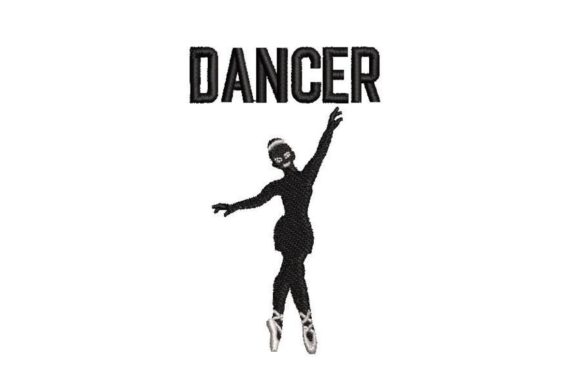
The first impression of Dancer is one of delicate charm. The silhouette captures the fluidity of ballet without becoming overly complex or cluttered. For a designer, this balance is crucial. Overly detailed designs often suffer from thread breaks or puckering, especially on smaller items. This design feels sweet yet elegant, striking a tone that is both playful and classic. It does not scream for attention but rather invites a closer look, which is exactly the mood we want for high-end handmade goods. Whether you are creating a romantic wedding gift or a whimsical baby item, the emotional appeal here is strong. It speaks to tradition, discipline, and beauty.
Visualizing the Finished Product for Your Shop
When planning your inventory, consider who buys these items. Parents of young dancers, grandparents looking for meaningful heirlooms, and brides seeking unique favors are your primary audience. I imagined several scenarios where Dancer would shine as a central element of a personalized gift.
For baby embroidery, this design is exceptionally versatile. Imagine it stitched onto a soft muslin swaddle or a knit onesie. The graceful lines of the ballerina complement the innocence of infancy. However, when working with stretchy baby clothes, one must be cautious. The fabric texture plays a significant role in how the stitches lay. On a smooth cotton blanket, the design will appear crisp and defined. On a textured terry cloth towel, the finer details might get lost. I recommend using this design on an embroidered towel only if the towel has a tight weave. For a plush, high-pile towel, the result may look muddy, reducing the perceived value of the handmade product.
In the realm of home decor, a pillow cover featuring this ballerina could become a staple in a child’s nursery. Paired with pastel thread colors, it creates a serene atmosphere. Alternatively, stitching it onto a canvas tote bag offers a practical yet stylish accessory for dance moms. The key here is contrast. If you are selling to an Etsy seller community or running your own small shop, product photography is vital. A dark fabric with light thread can make the design pop, but you must ensure the stitch density is sufficient to cover the background fabric completely. Otherwise, the underlying color may show through, making the finished product look amateurish.
Technical Considerations for Commercial Embroidery
Before adding Dancer to your catalog of commercial embroidery assets, there are technical hurdles to clear. The product description notes that this digital embroidery file comes with multiple formats, which is a significant advantage. It allows compatibility with various machine brands, from Brother to Janome to Bernina. However, the description cuts off regarding specific capabilities, so it is imperative that you verify the included hoop size options before purchase. You do not want to buy a file only to realize it requires a 5x7 hoop when your standard workflow utilizes 4x4 hoops for baby items.
Stabilizer choice is non-negotiable. For a design with fine lines like a ballerina’s limbs, a cut-away stabilizer is often safer than tear-away, especially if the item will undergo frequent washing. Dance apparel and baby items are laundered often. If the stabilizer degrades, the embroidery will pucker, leading to customer dissatisfaction. I always advise testing on scrap fabric first. Stitch out the design on the exact material you intend to sell. Check the small details after stitching. Are the toes defined? Is the tutu distinct from the body? If these elements merge into a blob of thread, you may need to adjust your tension or switch to a higher quality thread.
Another critical factor is the license. While many designers assume personal use, selling finished products requires commercial rights. Always confirm the licensing terms associated with the embroidery file. Using a design without proper clearance can lead to legal issues for your small shop product line. Assuming the license permits commercial use, this design can significantly boost your offerings for dance recitals, holidays, and birthdays.
Enhancing Giftability and Customer Trust
Why choose Dancer over other motifs? It enhances giftability. A plain apron becomes a cherished kitchen accessory when adorned with a graceful dancer. A simple tote becomes a statement piece. This emotional connection drives sales. Customers are not just buying thread on fabric; they are buying a sentiment. For wedding gift designers, incorporating this motif into a handkerchief or a veil bag adds a layer of sophistication. It suggests that thought and care went into the creation.
Perceived value increases when the embroidery is flawless. This means managing expectations regarding fabric texture. Delicate details do not fare well on rough linen or heavy denim unless the design is scaled appropriately. If you are creating a printable mockup for your online store, ensure the digital representation matches the physical reality. Misleading images lead to returns. Instead, show close-ups of the stitch work on different materials. This transparency builds customer trust.
For those creating blanket embroidery, consider the placement. A large blanket allows for a larger scale, but ensure the design remains proportional. A tiny dancer in the corner of a large quilt may look lost, while a massive one on a baby bib may overwhelm the space. Balance is key. Use the design to complement the item, not dominate it.
Final Thoughts for the Modern Crafter
In conclusion, Dancer is a promising addition to any embroidery library focused on Dance and lifestyle themes. Its elegance makes it suitable for a wide range of applications, from the nursery to the bridal suite. However, success lies in the execution. Pay attention to the stitch density, choose the right stabilizer, and test extensively on your intended fabrics. Verify the hoop size compatibility and commercial licensing before integrating it into your workflow.
By treating this machine embroidery design with the respect it deserves, you can create custom embroidery pieces that stand out in a crowded market. Whether you are an experienced Etsy seller or a novice crafter, the quality of your finished product reflects your attention to detail. Let Dancer bring a touch of grace to your collection, but remember that the magic happens in the stitching. Take the time to perfect your technique, and your customers will feel the love in every loop of thread.
Remember to check the specific file formats provided to ensure they match your machine’s requirements. With the right preparation, this design can become a bestseller in your personalized gift lineup, appealing to anyone who appreciates the art of Embroidery and the beauty of dance.