Dancing Golf Ball: A Designer’s Review for Business Merch
As an embroidery designer who has spent years digitizing and testing files for small businesses, I approach every new machine embroidery design with a critical eye. It is not just about whether the image looks cute on a screen; it is about how that design translates into thread, how it holds up on fabric, and ultimately, how it serves the brand identity of the client using it. Recently, I reviewed the Dancing Golf Ball design, a playful entry in the Sports category that promises to catch the eye of golf lovers. For boutique owners, Etsy sellers, and apparel decorators, understanding the practical application of this file is crucial before adding it to your product lineup.
First Impressions: Visual Personality and Brand Fit
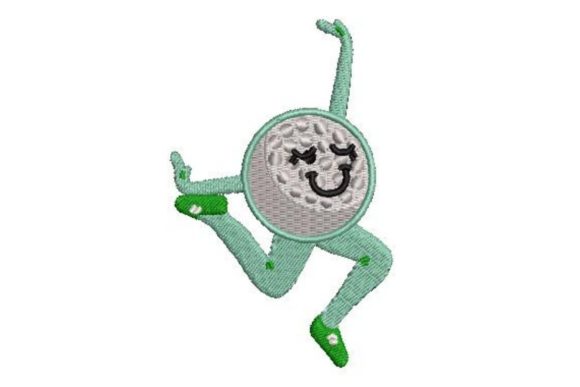
The first thing that strikes you about the Dancing Golf Ball is its inherent energy. The title suggests movement and whimsy, which immediately sets a tone that is friendly, playful, and approachable. In the world of commercial embroidery, tone is everything. A stiff, overly formal logo might work for a corporate law firm, but it fails miserably on a tote bag for a local country club pro shop or a gift item for a weekend tournament. This design feels modern yet classic enough to appeal to a broad demographic of golf enthusiasts.
For small business owners, this visual personality is a asset. It does not scream "corporate uniform"; instead, it whispers "lifestyle brand." If you are running a handmade shop or a creative studio that produces golf-themed accessories, this design aligns perfectly with a brand identity that values fun and community. It is decorative without being cluttered, making it a strong candidate for items where space is at a premium but impact is necessary.
Real-World Applications for Small Business Merch
When I evaluate a digital embroidery file, I mentally place it on various substrates to test its versatility. The Dancing Golf Ball shines in several key areas of small business merchandising.
- Embroidered Patches: This is perhaps the strongest use case. A well-digitized patch can be sold as a standalone product or used to upgrade plain goods. The dynamic nature of the design works well within the circular or irregular boundaries typical of patches.
- Cap Embroidery: Golf caps are a staple. Placing this design on the front panel or even as a side accent can differentiate a custom cap from generic retail options. However, curvature is a factor we must address later.
- Tote Bag Design: For boutique merchandise, a canvas tote featuring this motif appeals to customers looking for casual, sporty chic. It transforms a basic bag into a statement piece.
- Apron Embroidery: Imagine a pro shop café or a clubhouse snack bar. Staff aprons featuring this design add a layer of professionalism and thematic consistency to the customer experience.
- Custom Apparel: From polo shirts to windbreakers, this design serves as an excellent chest logo accent. It is small enough to be subtle but distinct enough to be recognized.
For Etsy sellers and crafters, these applications open multiple revenue streams. You are not just selling a file; you are selling a finished product concept. Creating a printable mockup that shows the design on a golf glove, a bag tag, or a towel can significantly boost buyer engagement and perceived value.
Technical Considerations and Placement Strategy
While the aesthetic appeal is high, the technical execution requires careful planning. As a designer, I always advise checking the specific details of the embroidery file before production. The product description notes that the design comes with multiple formats, which is essential for compatibility with different machines, but it does not specify exact stitch counts or density metrics. This lack of data means you must proceed with caution.
Stitch density is a primary concern. If the design is too dense, it can cause puckering, especially on lighter fabrics like performance golf polos. Conversely, if it is too sparse, it may look amateurish on heavy materials like denim or canvas tote bags. I recommend running a test stitch-out on a scrap piece of the exact fabric you intend to use. Pay close attention to the thread colors chosen. High contrast is vital for the "dancing" element to be visible. If you are stitching white thread on a light gray shirt, the detail will be lost. Always aim for strong contrast to ensure the design pops.
Placement is another critical factor. On curved surfaces like cap fronts, the design must be centered perfectly to avoid distortion. For small patch sizes, ensure that the finer details of the "dance" motion do not merge together. Tiny lettering or intricate outlines can become a blob of thread if the hoop size is too small or the resolution of the digitization is low. Always confirm the recommended hoop size provided by the creator to ensure the design fits your intended application without needing excessive resizing, which can compromise quality.
Enhancing Brand Identity and Customer Trust
Using a cohesive design like Dancing Golf Ball contributes significantly to brand recognition. When customers see consistent, high-quality embroidery across your products—whether it is a hat, a bag, or a patch—they associate that quality with your brand. This builds trust. In the competitive market of small business merch, professionalism is the differentiator. A sloppy embroidery job can damage a reputation, while a crisp, well-executed design enhances the perceived value of the item.
Furthermore, this design supports a narrative. It tells the customer that your brand understands the culture of golf—it is not just about the sport, but about the joy and lifestyle surrounding it. This emotional connection drives sales. For handmade brands, showcasing the texture of the thread against the fabric in your marketing materials highlights the artisanal quality of your work, distinguishing it from mass-produced printed goods.
Practical Designer Notes for Production
Before you launch this design in your store, follow these practical steps to ensure success:
- Test in Black and White: Before committing to colorful threads, stitch the design in black and white. This helps you evaluate the clarity of the shapes and the balance of the composition without the distraction of color.
- Check Scalability: Verify if the design retains its integrity when scaled down for a small patch or up for a back panel. Some designs lose definition when resized significantly.
- Select the Right Stabilizer: The choice of stabilizer can make or break the final look. Use a cut-away stabilizer for stretchy performance fabrics commonly found in golf apparel, and a tear-away for stable woven fabrics like cotton totes.
- Review Fabric Texture: Textured fabrics can hide fine details. Ensure the stitch density is sufficient to cover the fabric weave without creating excessive bulk.
- Confirm Licensing: Always read the license terms associated with the digital embroidery file. Ensure you have the right to use it for commercial purposes if you are selling finished goods. Never assume; always verify.
- Create Mockups: Use design assets to create realistic previews for your clients or online store. Showing the design in context helps buyers visualize the finished product.
In conclusion, the Dancing Golf Ball is a versatile and engaging option for businesses targeting the sports and leisure market. Its playful nature makes it ideal for branded patches, caps, and apparel, provided that technical considerations like stitch density and fabric compatibility are addressed. By treating this design as a strategic business asset rather than just a decorative element, you can enhance your brand identity and deliver high-value products to your customers. Always prioritize testing and quality control to ensure that every stitched item reflects the professionalism of your brand.