Gingerbread Girl Plush ITH: A Designer’s Review
As an embroidery designer who spends countless hours digitizing and testing files for commercial use, I approach every new machine embroidery design with a critical eye. It is not just about whether the design looks cute on a screen; it is about how it performs in the hoop, how it holds up after washing, and most importantly, how it serves a small business owner’s brand. Recently, I reviewed the Gingerbread Girl Plush ITH, and while it is marketed primarily as a festive holiday item, its potential extends far beyond simple seasonal decoration. For boutique owners, Etsy sellers, and creative studios, this In-The-Hoop (ITH) project offers a unique opportunity to create tangible, high-value merchandise that customers love to hold.
First Impressions: Playful Yet Professional
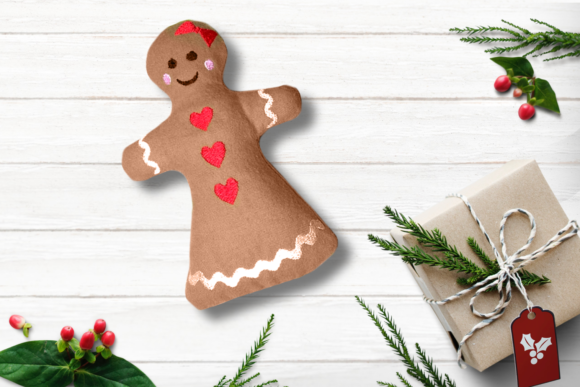
The first thing that strikes you about the Gingerbread Girl Plush ITH is its inherent charm. The inclusion of a hair bow adds a touch of personality that transforms a standard gingerbread shape into a character with identity. From a design perspective, this feels playful, handmade, and inviting. It does not scream "corporate," but it certainly whispers "artisan quality." For businesses that rely on a warm, approachable aesthetic—such as local bakeries, florists, pet brands, or handmade gift shops—this visual personality aligns perfectly with their brand identity.
However, "cute" does not always equal "commercial viable." My initial assessment focused on the construction. ITH designs are notorious for requiring precise tension and fabric handling. The promise of a plush output suggests a three-dimensional element that can elevate the perceived value of the finished product. When a customer picks up a plush embroidered item, the tactile experience reinforces the quality of the work, distinguishing it from flat, printed merchandise.
Real-World Applications for Small Business Merch
While the product description highlights its suitability for Christmas projects, limiting this design to December sales would be a missed opportunity for savvy merch creators. Here is how I envision this embroidery file working in a real-world business scenario:
- Boutique Gift With Purchase: Imagine a local bakery offering this plush gingerbread girl as a premium add-on for holiday orders. It acts as a memorable branded token that customers keep long after the cookies are eaten.
- Etsy Branding Assets: For handmade sellers, including a small plushie in packaging increases unboxing excitement. It serves as a physical manifestation of the care put into the handmade product.
- Event Merchandise: Winter festivals, craft fairs, and holiday markets thrive on impulse buys. A completed plush item sells at a higher margin than a flat ornament because of the labor and material value perceived by the buyer.
- Custom Apparel Accents: While not a direct patch, the design elements could inspire matching apron embroidery for staff during the holiday season, creating a cohesive look between the product and the presenter.
The versatility lies in the "plush" aspect. It moves the item from being a mere decoration to a keepsake. For small business merch, this distinction is crucial for justifying higher price points.
Technical Considerations and Production Challenges
Before integrating the Gingerbread Girl Plush ITH into your production line, we must address the technical realities. ITH designs are complex. They involve folding, stuffing, and closing within the hoop. This requires a higher skill level than standard flat embroidery.
Fabric Texture and Stabilizer
The choice of fabric is paramount. Since this is a plush item, you will likely use minky, fleece, or felt. These fabrics behave differently under the needle. A heavy cut-away stabilizer is non-negotiable to prevent distortion, especially given the 3D nature of the project. If you are using textured fabric, ensure the thread colors provide enough contrast so the details, like the hair bow and facial features, do not get lost in the pile of the fabric.
Hoop Size and Efficiency
The description notes that the design comes with multiple embroidery options, which is a significant advantage. However, you must confirm the exact hoop size required for each version. Larger hoops tie up your machine for longer periods, reducing your daily output. For a busy shop producing commercial embroidery runs, efficiency is key. Calculate the cycle time per unit to ensure your pricing model remains profitable.
Stitch Density and Durability
Plush items are often handled, squeezed, and played with. High stitch density is beneficial here as it creates a durable surface that withstands wear. However, excessive density on plush fabrics can cause puckering if the stabilizer is not robust enough. I recommend running a test piece on your specific fabric combination before committing to a large batch.
Strategic Placement and Brand Consistency
If you are considering adapting elements of this design for other applications, such as cap embroidery or tote bag design, caution is advised. The intricate details of a plush face may not translate well to curved surfaces like cap fronts or flexible materials like canvas totes without simplification. For these applications, consider using the silhouette or the bow element as a standalone embroidered patch rather than the full ITH construction.
For custom apparel like staff uniforms, a simplified version of the gingerbread girl could work as a chest logo accent during the holiday season. This maintains visual consistency across your marketing materials, from the product you sell to the uniform your staff wears. It reinforces customer trust by showing attention to detail and thematic coherence.
Designer Notes for Commercial Success
To maximize the return on investment for this digital embroidery file, follow these practical steps:
- Test in Monochrome: Before using festive reds and greens, stitch the design in black and white thread. This reveals any issues with spacing or definition that color might hide. If it looks good in monochrome, it will look great in color.
- Verify Licensing: Always confirm the commercial licensing terms included with the file. Ensure you have the right to sell the finished plush items, not just use the design for personal projects.
- Create Printable Mockups: Use digital mockups to showcase the plushie on your website before stitching hundreds of units. This helps gauge customer interest and allows for pre-orders, reducing inventory risk.
- Check File Formats: Ensure the download includes the format compatible with your specific machine brand. Converting files can sometimes alter stitch paths, so native formats are preferred for precision.
- Batch Production Strategy: ITH designs are time-intensive. Plan your production schedule to run these machines during off-peak hours or dedicate a specific machine to plush production to avoid bottlenecking your standard flat embroidery jobs.
Final Verdict: A Valuable Asset for Holiday Revenue
The Gingerbread Girl Plush ITH is more than just a cute Christmas craft; it is a strategic tool for small business owners looking to diversify their holiday offerings. It bridges the gap between traditional Embroidery and modern product design, offering a tactile, high-perceived-value item that resonates with consumers seeking authentic, handmade goods.
By understanding the technical requirements—proper stabilizer, fabric selection, and hoop management—you can transform this design into a profitable revenue stream. Whether used as a standalone product, a premium gift-with-purchase, or a branding element, it enhances your design assets and strengthens your connection with customers. Just remember to test thoroughly, respect the technical constraints of ITH construction, and market the handmade quality that sets your brand apart. With careful execution, this design can become a staple in your seasonal collection, driving engagement and sales year after year.