Money Bags: A Designer’s Review for Craft Fair Success
As an embroidery designer who has spent countless hours hooping, stitching, and troubleshooting, I know that not every design translates well from a digital screen to a physical craft fair product. When I first loaded the Money Bags design into my software, I was looking for more than just cute aesthetics. I was evaluating its potential as a revenue driver for my upcoming weekend market booth. This review breaks down how this specific machine embroidery design performs in the real world of handmade sales, focusing on practicality, visual appeal, and production efficiency.
First Impressions: Bold, Playful, and Market-Ready
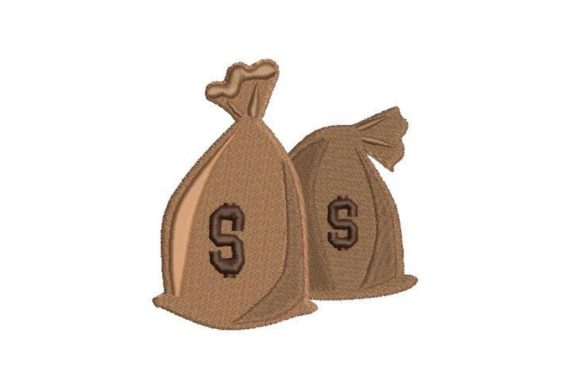
The immediate vibe of Money Bags is undeniably playful. It taps into the popular Pirates theme but does so with a approachable, "cute" aesthetic rather than a gritty or overly realistic one. For a craft fair environment, this is a significant advantage. Customers walking past booths are drawn to designs that are easy to understand at a glance. The concept of hunting treasure via embroidered money bags is instantly recognizable, making it an excellent conversation starter.
From a design perspective, the elements feel balanced. It avoids the trap of being too minimal, which can sometimes look cheap on larger items, while also steering clear of excessive complexity that might cause registration issues on home machines. It strikes a sweet spot between decorative and modern, allowing it to fit seamlessly into a variety of product lines without feeling out of place.
Product Versatility: Where Money Bags Shines
The true test of any digital embroidery file is its versatility. Can it survive the transition from a small accessory to a large home good? Here is how I see Money Bags performing across different categories:
- Tote Bag Design: This is arguably the strongest application. A canvas tote with a centered Money Bags motif becomes an instant bestseller. The design scales well, maintaining clarity even when enlarged to fill the front panel of a standard market bag.
- Apron Embroidery: Placing this design on the bib of a kitchen apron adds a whimsical touch. It appeals to customers looking for unique, personalized kitchenware that isn't too serious.
- Tea Towel Embroidery: For linen or cotton towels, the design works beautifully as a focal point. However, attention must be paid to the fabric texture. Looser weaves may require a cut-away stabilizer to prevent puckering around the stitch areas.
- Embroidered Patch: If you offer patches, this design is ideal. Its self-contained shape makes it easy to trim and apply to jackets or backpacks, expanding your inventory without needing to embroider directly onto finished garments.
- Caps and Hats: While possible, curved surfaces present challenges. The density of the stitches needs to be monitored to ensure the cap doesn't warp. If the design includes fine details, they may get lost on the textured fabric of a twill cap.
Production Practicality for the Small Shop Product
For an Etsy seller or boutique maker, time is money. The Money Bags design appears optimized for batch production. The shapes are distinct, suggesting that color changes are likely logical and not excessively frequent. This reduces machine downtime and thread waste.
When preparing for a craft fair, I prioritize designs that photograph well for online listings. The high contrast typically found in pirate-themed palettes—golds, blacks, and whites—pops in photos. This makes creating a printable mockup or social media content much easier. A design that looks good in person but flat in photos will struggle in the digital marketplace, but Money Bags seems to have the visual weight needed to stand out in a crowded Instagram feed.
Technical Considerations and Careful Use
While the design is robust, there are technical nuances every embroiderer must consider. First, check the stitch density. If the "money" elements are filled with dense satin stitches, they may pull on lightweight fabrics like voile or thin cotton. Always test on scrap fabric first.
Second, consider the hoop size. Ensure the design fits comfortably within your standard hoops without requiring re-hooping, which introduces alignment errors. If the design is large, verify that your machine can handle the file format provided. The description notes multiple embroidery file formats, which is crucial for compatibility across different brands like Brother, Janome, or Husqvarna.
Finally, be mindful of thread colors. On dark fabrics, you may need to use a lighter underlay or adjust the sequence to ensure visibility. Conversely, on white tea towels, ensure the gold or yellow threads have enough sheen to look premium rather than washed out.
Enhancing Brand Consistency and Buyer Engagement
Incorporating Money Bags into your lineup helps build a cohesive brand narrative. If your shop leans towards whimsical, adventurous, or nautical themes, this design reinforces that identity. Consistency builds trust, and trust drives sales. When customers see a well-executed finished product that aligns with your other items, they are more likely to purchase multiple items.
Moreover, this design encourages engagement. It’s fun. People smile when they see it. In a craft fair setting, emotional connection is key. A customer might not need another tote bag, but they will buy one if it makes them laugh or reminds them of a fun vacation. That emotional hook is what transforms a browser into a buyer.
Final Designer Notes for Commercial Embroidery
Before you commit to producing a full run of commercial embroidery items, take these final steps:
- Test Stitch: Always run a test stitch on the actual fabric you plan to sell. Check for puckering, thread breaks, or registration issues.
- Stabilizer Selection: Match your stabilizer to the fabric. Use tear-away for stable wovens and cut-away for stretchy knits or loose weaves.
- License Verification: Confirm the commercial licensing terms. The description mentions it can be used with multiple formats, but always ensure you have the right to sell finished products made with the design assets.
- Mockup Creation: Create at least one high-quality mockup or photo sample. Show the design in context—on a table, held by a model, or styled with props.
In conclusion, Money Bags is a strong contender for your next collection. It balances aesthetic appeal with production practicality, making it a reliable choice for both online stores and physical craft fairs. By paying attention to fabric choice and stitch quality, you can turn this embroidery file into a standout handmade product that resonates with customers and boosts your bottom line.