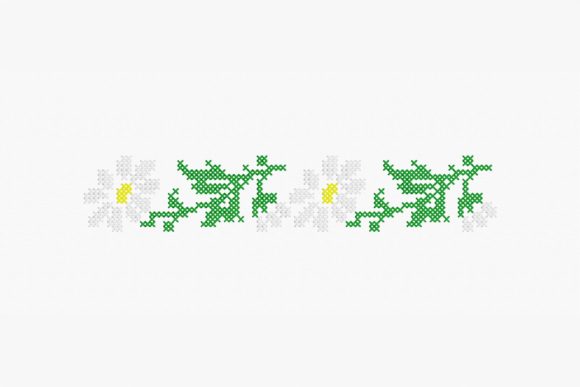
Reviewing the 1908 Oxeye Daisy Border for Boutique Apparel
As an embroidery designer who spends countless hours digitizing and testing designs for small clothing brands, I am always on the lookout for motifs that bridge the gap between vintage charm and modern wearability. Recently, I explored the 1908 Oxeye Daisy Border available on Creative Fabrica, and it immediately caught my eye as a versatile asset for boutique apparel. This piece is not just a digital file; it is a slice of history repurposed for contemporary machine embroidery design projects.
The product description notes that this is a vintage Oxeye Daisy Border sourced from a cross-stitch embroidery design book from 1908. While its origins are in hand-stitched table linens and pillows, the potential for adapting this aesthetic into sweatshirt embroidery and other garment applications is significant. For Etsy sellers and creative entrepreneurs looking to elevate their custom apparel lines, understanding how this specific embroidery file translates to fabric is crucial before hitting the production button.
Visual Personality and Stitching Mood
The first impression of the 1908 Oxeye Daisy Border is one of delicate nostalgia. Unlike bold, blocky modern graphics, this design carries a feminine, rustic, and classic mood. The daisies are rendered with a simplicity that feels authentic to the early 20th century, avoiding the overly complex stitch paths that can sometimes plague digitized vintage conversions. This makes it feel premium rather than cluttered.
For a boutique brand, visual consistency is key. This border offers a decorative strength that is subtle yet noticeable. It does not scream for attention like a neon graphic tee; instead, it invites closer inspection. This quality is perfect for brands aiming for a cozy, handmade product aesthetic. The linear nature of the border allows for flexible placement, making it a strong candidate for both minimal and trendy collections.
Apparel Applications and Placement Strategies
When planning a small sweatshirt or hoodie collection, placement is everything. Here is how I envision using this design across various garments:
- Sweatshirt Embroidery: Placing the border along the bottom hem of a neutral sweatshirt creates a sophisticated finish. It breaks up the monotony of solid colors without overwhelming the garment.
- Hoodie Design: For hoodies, consider running the border across the chest or just below the neckline. On pastel hoodies, the white and yellow tones of the daisies will pop gently against the soft background.
- Sleeve Accents: A shorter segment of the border works beautifully on the lower sleeve of oversized garments. This adds a unique detail that customers love to show off in lifestyle product photos.
- T-Shirt Embroidery: On fitted tees, keep the scale smaller. The design can serve as a delicate trim above the hem or across the shoulders for a romantic, cottage-core vibe.
- Denim Jackets and Tote Bags: The sturdy nature of denim and canvas tote bags provides an excellent foundation for this border. The contrast of the delicate flowers against rugged fabric creates a compelling visual texture.
For dark apparel, such as navy or black hoodies, the light colors of the oxeye daisy will stand out sharply. However, you must ensure your thread colors have enough contrast. Using a bright white for the petals and a vibrant yellow for the center will ensure the design remains visible and impactful.
Technical Considerations for Production
Before committing to a full run of commercial embroidery products, there are several technical factors to review. Since the original source is a cross-stitch book, the digitization process plays a massive role in how well this translates to machine stitching.
First, check the stitch density. Vintage-inspired designs can sometimes be digitized with high density to mimic the look of hand stitching. If the density is too high for lightweight fabrics, it may cause puckering. Always test on scrap fabric that matches your final garment material. If you are working with fleece or ribbed fabric, a cut-away stabilizer is often necessary to support the stitches and prevent distortion.
Second, confirm the hoop size required for the full border. If your machine has a smaller hoop, you may need to split the design or use it in segments. The product description mentions placing the design in a row, which implies modularity, but you must verify if the file is provided as a single long strip or repeatable elements.
Third, inspect the fabric texture interaction. Stretchy fabrics require careful hooping and stabilization. Curved surfaces, like the armhole of a t-shirt, can be tricky for long borders. In these cases, breaking the border into smaller clusters of daisies might yield a cleaner finished product than attempting a continuous line.
Enhancing Brand Identity and Value
Incorporating the 1908 Oxeye Daisy Border into your lineup can significantly affect buyer trust and product recognition. Customers associate detailed embroidery with higher value and effort. When they see a well-executed vintage border on a hoodie, they perceive the item as a curated small shop product rather than mass-produced merchandise.
This design also lends itself well to social media graphics and printable mockups. The clean lines and recognizable floral motif make for attractive thumbnails on Etsy listings. Consistent use of this border across different items—such as matching tote bags and sweatshirts—creates a cohesive brand identity that encourages repeat purchases.
Practical Designer Notes
To ensure success with this digital embroidery file, follow these practical steps:
- Test on Similar Garment Fabric: Do not rely solely on tests done on cotton broadcloth if your final product is a heavy fleece. The behavior of the thread and fabric will differ.
- Review Thread Color Contrast: Pull physical thread spools against your garment color before stitching. Digital screens can misrepresent shades.
- Check Licensing Details: Before selling finished apparel, review the Creative Fabrica product details and licensing terms. Ensure that commercial use is permitted for physical goods.
- Verify File Formats: Confirm that the download includes the format compatible with your specific embroidery machine. The product description does not list specific formats, so this step is vital.
- Inspect Stitch Count: While not explicitly stated in the brief description, checking the stitch count in your software will help estimate production time and thread usage.
The 1908 Oxeye Daisy Border is a charming addition to any designer’s library. It offers a blend of historical elegance and modern versatility that can elevate simple garments into standout pieces. By paying attention to placement, stabilization, and fabric choice, you can create beautiful, durable, and commercially viable embroidery products that resonate with customers seeking unique, handmade quality.