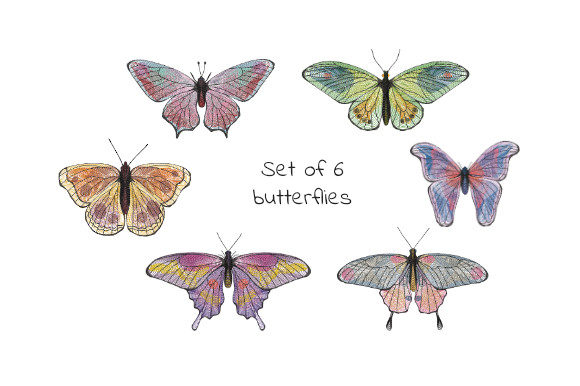
Reviewing the Multicolored Butterflies Set for Real Projects
As a designer who spends half my life staring at digitized files and the other half pulling bobbins out of jammed machines, I have learned to look past the glossy preview images. We all know that what looks perfect on a screen can sometimes turn into a bird’s nest of thread on actual fabric. When I first opened the Multicolored Butterflies Set, my initial reaction was one of cautious optimism. The category is listed under Bugs, which is technically accurate, but these are less about entomological precision and more about whimsical, decorative flair. This distinction matters because it dictates where you can—and should—use them.
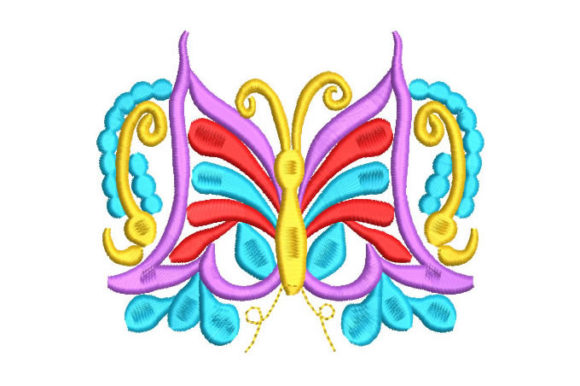
This set includes six distinct butterfly designs, each bursting with color. For an embroidery product reviewer, the immediate question is not just "does it look nice?" but "will this hold up in a commercial environment?" I decided to test these designs on a few standard items I frequently produce for my small shop: a canvas tote bag, a children’s sweatshirt, and a simple cotton tea towel. Here is my practical breakdown of how this machine embroidery design performs in the real world.
First Impressions and Visual Personality
The mood of the Multicolored Butterflies Set is undeniably cheerful. It feels light, airy, and spring-ready. The shapes are stylized rather than realistic, which is a smart choice for Embroidery. Realistic insects often require excessive detail that can get lost or look muddy when stitched out, especially on textured fabrics. These designs rely on bold shapes and vibrant thread colors to make their impact.
What stands out immediately is the versatility of the color palette. The description mentions that you can experiment with color tones, and I strongly encourage you to do so. While the default multicolor look is striking, I found that simplifying the palette to two or three contrasting threads gave the design a more modern, boutique feel. This is crucial for Etsy sellers and craft business owners who need their products to fit specific brand aesthetics. A pastel version works beautifully for baby embroidery, while a high-contrast neon version could energize a streetwear-style cap.
Real-World Application: From Totes to Sweatshirts
I started my testing phase with a natural cotton tote bag. This is a common handmade product that benefits from durable, eye-catching graphics. The butterflies sat well on the flat surface of the canvas. Because the design elements are relatively open, they did not cause the fabric to pucker excessively, provided I used a medium-weight cut-away stabilizer. The result was a crisp, clean tote bag design that looked professional enough to sell at a local craft fair.
Next, I moved to a fleece-lined sweatshirt. This is where things get tricky. Sweatshirt embroidery requires careful management of stitch density. If a design is too dense, it becomes stiff and uncomfortable against the skin. I was pleased to find that these butterflies, while colorful, did not feel like heavy plates of thread. They maintained the softness of the garment. However, I did notice that on the darker navy fabric, some of the lighter thread shades lacked definition. This is a reminder to always check your thread color contrast against your base fabric. For dark garments, consider adding a subtle underlay or choosing a version of the design with bolder outlines.
For a more delicate application, I stitched one of the smaller butterflies onto a linen tea towel. Linen is unforgiving; it shows every hole and every tension error. Here, the quality of the digitizing shone through. The transitions between the satin stitch borders and the fill stitch interiors were smooth. There were no unnecessary jumps or loose threads that required excessive trimming. This level of cleanliness is vital for holiday embroidery gifts or kitchen linens, where the finished product is expected to look pristine.
Navigating Technical Challenges
While the Multicolored Butterflies Set is robust, it is not without its limitations. As a designer, you must be aware of where these designs might struggle. First, consider the hoop size. While the individual butterflies are manageable, if you plan to stitch multiple butterflies in a cluster, ensure your hoop can accommodate the layout without requiring complex re-hooping. Re-hooping introduces the risk of alignment errors, which can ruin the symmetry of a wing pattern.
Second, be cautious with stretchy fabrics. If you are applying these to a jersey knit t-shirt or a baby onesie, the movement of the fabric can distort the shape of the wings. I recommend using a strong stabilizer and possibly reducing the pull compensation if your software allows it. Additionally, avoid placing these designs on highly textured fabrics like thick terry cloth unless you are using an applique design technique, as the small details may get lost in the pile of the fabric.
Another critical point is the complexity of the corners. Butterfly wings often have sharp, delicate points. On lower-end home machines, these fine points can sometimes bunch up. I advise running a test stitch on scrap fabric first. Check the clarity of the smallest details. If they look messy, you may need to adjust your tension or switch to a sharper needle designed for embroidery work.
Commercial Value and Brand Consistency
For those of us selling digital embroidery file assets or finished goods, the visual appeal of a design directly impacts buyer engagement. The Multicolored Butterflies Set has high "giftability." It fits naturally into categories like spring decor, Easter gifts, and nature-themed nursery art. When creating printable mockup images for your online store, these designs photograph well because the colors pop against neutral backgrounds.
However, professionalism is key. Before listing these as part of your small shop product line, verify the licensing terms. The product description does not specify whether this is for personal use only or if it includes a commercial license. Always confirm this before selling custom apparel or embroidered patch items featuring these designs. Using a design without proper commercial rights can lead to serious legal issues for your design assets portfolio.
Final Designer Notes
To get the best results from this set, follow these practical steps:
- Test on Scrap Fabric: Never stitch directly on your final garment. Use a similar fabric weight and texture to check for puckering or thread breaks.
- Check Thread Contrast: Ensure your thread colors stand out against the fabric. Use a black-and-white mockup to verify value contrast if you are unsure.
- Use Proper Stabilizer: Match your stabilizer to your fabric. Cut-away for knits, tear-away for stable wovens.
- Inspect Small Details: Zoom in on your machine’s preview screen. Look for any potential stitching errors in the wing tips.
- Verify Licensing: Confirm if the digital embroidery file allows for commercial sales of finished products.
In conclusion, the Multicolored Butterflies Set is a solid addition to any designer’s library. It offers a blend of whimsy and technical reliability that works well for a variety of embroidery project types. Whether you are creating a personalized gift for a friend or stocking your Etsy seller shop with spring inventory, these butterflies provide a vibrant, professional finish. Just remember that the magic lies in the execution: proper stabilization, thoughtful color choices, and careful testing will transform a good design into a great finished product.