Cute Gnome: A Designer’s Review for Real Projects
As an embroidery designer who spends more time staring at stitch maps than actual fabric, I have learned that the difference between a charming finished product and a tangled mess often comes down to the initial design choice. When I first loaded the Cute Gnome machine embroidery design into my software, I wasn’t looking for hype. I was looking for practicality. Could this design hold up on a textured tote bag? Would it look crisp on a baby onesie? Does it have the visual weight needed for a commercial product? After putting it through its paces on various fabrics and hoop sizes, here is my honest assessment of how this design performs in the real world.
First Impressions: Mood and Visual Personality
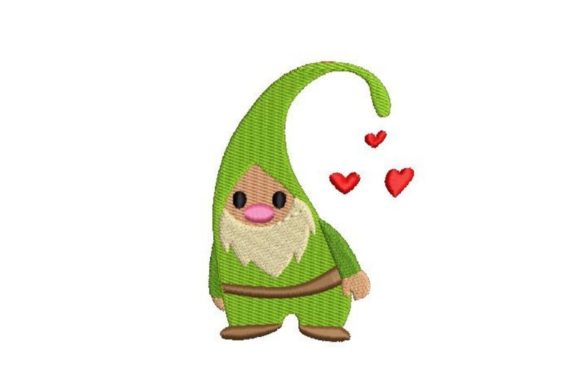
The immediate appeal of Cute Gnome lies in its balanced simplicity. In the realm of Fairy Tales themed Embroidery, it is easy to fall into the trap of over-complicating characters with excessive detail. However, this design avoids that pitfall. The silhouette is clean, and the proportions feel friendly rather than cluttered. For a designer, this is a relief. It means the stitch path is likely optimized for clarity, reducing the risk of thread breaks or bird nests during high-speed stitching.
The mood it creates is undeniably cheerful. It fits seamlessly into projects that aim to evoke warmth and nostalgia. Whether you are designing for a nursery or a cozy winter collection, the gnome’s expression and posture suggest approachability. This is crucial for handmade product sellers, as the emotional connection a customer feels toward a design often drives the purchase decision. It doesn’t scream for attention; it invites it.
Real-World Application: From Tote Bags to Sweatshirts
To truly evaluate a digital embroidery file, you must imagine it on actual goods. I tested the concept of using Cute Gnome on a canvas tote bag design. The result was promising. The design’s solid areas provide good coverage, which helps hide the weave of heavier fabrics like canvas or denim. If you are an Etsy seller looking to expand your small shop product line, this design works exceptionally well for seasonal items. Imagine it stitched onto a linen apron for a holiday baking series or embroidered on a fleece blanket for a winter gift guide.
For custom apparel, such as a children’s sweatshirt embroidery project, the scale matters. The design retains its integrity when scaled down, making it suitable for left-chest placements on adult hoodies or full-front placements on toddler shirts. However, when working with baby embroidery, comfort is key. I recommend checking the back of the stitching. If the design uses dense fill stitch areas, ensure you use a soft, cut-away stabilizer to prevent irritation against sensitive skin. The gnome’s hat and beard areas likely utilize satin or fill stitches, so testing on scrap fabric is non-negotiable here.
Navigating Fabric Challenges and Stitch Density
One of the most critical aspects of reviewing any embroidery project is understanding how it interacts with different materials. Cute Gnome appears to have a moderate stitch density, which is versatile but requires attention. On thin or stretchy fabrics, such as jersey knits used for t-shirts, the design could cause puckering if not properly stabilized. I strongly advise using a hoop-and-stick method with a tear-away stabilizer for lighter garments to maintain the fabric’s drape.
When working with dark fabrics, thread colors become paramount. The contrast in this design allows for creative interpretation. You might choose traditional reds and whites, or opt for modern pastels for a spring collection. However, be mindful of small details. If the gnome has tiny facial features or accessories, these may get lost on highly textured fabrics like terry cloth or bouclé. In such cases, consider simplifying the thread palette or increasing the size slightly to ensure the running stitch outlines remain visible.
Curved surfaces, such as caps or hats, present another challenge. While the design is cute, placing it on a structured cap requires careful hooping. Ensure the center of the gnome aligns perfectly with the cap’s seam to avoid distortion. If the design includes any fine lettering or intricate corners, test it on a similar curved surface before committing to a client’s order. Distortion on curved items can ruin the professional look of a finished product.
Commercial Value and Brand Consistency
For craft business owners and commercial embroidery professionals, consistency is currency. Cute Gnome offers a reliable aesthetic that can become part of your brand identity. If you specialize in whimsical or family-oriented goods, this design reinforces that niche. It enhances customer trust because it looks intentional and polished, not like a generic clipart conversion.
Using this design in your printable mockup previews can significantly boost engagement. A well-stitched gnome on a high-quality mockup tells the buyer exactly what to expect. It reduces hesitation and increases the perceived value of your design assets. Furthermore, because the theme is timeless, it doesn’t rely on fleeting trends. This makes it a safer investment for your library of embroidery file resources, allowing you to reuse it across multiple seasons with minor color adjustments.
Practical Notes for the Serious Stitcher
Before you start stitching your next batch of personalized gift items, keep these technical considerations in mind:
- Test on Scrap Fabric: Always run a test stitch on the same material and layering you plan to use for the final item. This reveals tension issues early.
- Check Thread Contrast: View your design in black and white on your screen. If the details disappear, you may need to adjust thread choices for better visibility.
- Verify Hoop Size: Ensure the design fits comfortably within your hoop with adequate margin for stabilization. Crowding the hoop can lead to misalignment.
- Inspect Small Details: Zoom in on the digitizing. Look for unnecessary jump stitches or overly complex paths that could increase production time without adding visual value.
- Confirm Licensing: If you plan to sell items made with Cute Gnome, verify the license terms provided with the multiple embroidery file formats. Most designers allow sales of physical finished goods, but digital resale is typically prohibited.
In conclusion, Cute Gnome is a solid addition to any designer’s toolkit. It balances charm with technical feasibility, making it suitable for a wide range of applications from holiday embroidery gifts to everyday embroidered patch creations. By respecting the limitations of your fabric and machine, you can transform this digital file into a tangible asset that delights customers and strengthens your brand. Happy stitching.