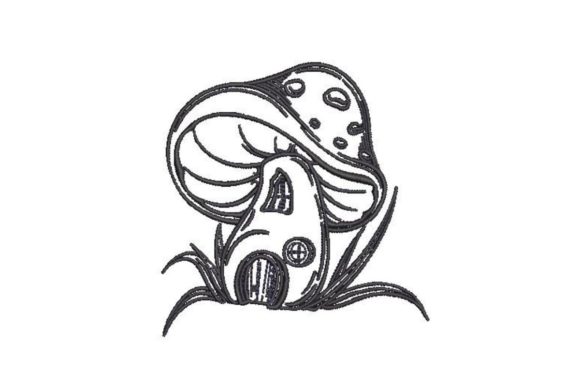
Mushroom Fairy House: A Seasonal Embroidery Review
As an embroidery designer who spends countless hours digitizing and testing files for seasonal collections, I approach every new machine embroidery design with a critical eye. It is not just about whether the stitches look clean; it is about whether the design sells. When I first loaded the Mushroom Fairy House into my software, I was immediately struck by its whimsical charm. This is not merely a decorative element; it is a storytelling piece that taps directly into the enduring popularity of cottagecore aesthetics and fantasy themes. For those of us creating products for the holiday rush or spring renewals, this design offers a unique blend of nostalgia and magic that resonates deeply with modern buyers.
The First Impression: Whimsy Meets Warmth
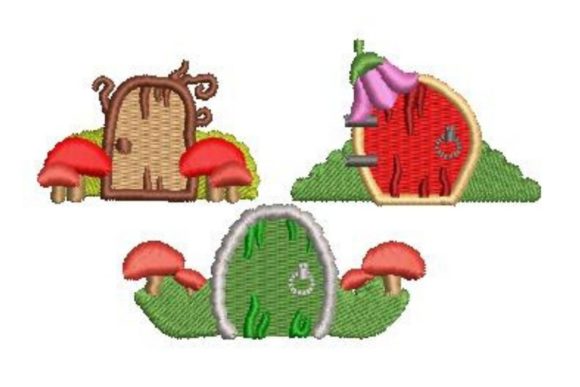
The initial visual impact of the Mushroom Fairy House is undeniably cozy. In the context of Fairy Tales and folklore, mushrooms often symbolize hidden worlds and natural magic. This design captures that spirit perfectly. The color palette, typically involving earthy reds, soft creams, and vibrant greens, creates a warm, inviting tone that feels both rustic and premium. It does not scream for attention like neon holiday graphics; instead, it invites the viewer to look closer. This subtle elegance makes it versatile. It feels festive without being tied to a single specific holiday, allowing it to bridge the gap between autumn harvest decor and spring garden celebrations.
For an Etsy seller or small shop owner, this emotional connection is crucial. Buyers are not just purchasing an item; they are buying into a feeling. The Mushroom Fairy House evokes feelings of safety, wonder, and childhood imagination. This makes it an ideal candidate for products intended as a handmade gift or a personalized gift for loved ones who appreciate artisanal quality and unique narratives.
Strategic Product Applications for the Season
When planning a seasonal product line, versatility is key. The Mushroom Fairy House performs exceptionally well across a wide range of substrates. Here is how I envision integrating this embroidery file into a cohesive collection:
- Sweatshirt Embroidery: Placed on the left chest or as a larger back piece, this design transforms a basic hoodie into a statement piece. The applique nature mentioned in the description suggests layered textures that pop against fleece or cotton blends.
- Tote Bag Design: Canvas totes are perennial bestsellers. The sturdy fabric holds the stitch density well, making this a perfect accessory for book lovers and market shoppers.
- Kitchen Towel Embroidery: For home decor, stitching this onto linen or waffle-weave towels adds a touch of whimsy to the kitchen. It works beautifully for housewarming gifts or hostess presents during the holiday season.
- Pillow Cover Accents: A central motif on a neutral-toned pillow cover can anchor a living room’s decor theme, appealing to customers looking to refresh their spaces for seasonal changes.
- Embroidered Patch: If the design allows for a satin border, it can be turned into an iron-on or sew-on patch. This appeals to the younger demographic who customize denim jackets and backpacks.
Furthermore, the description notes that it is suitable for baby clothes and room decoration. This opens up a lucrative niche for nursery decor. Imagine this stitched onto a muslin swaddle or a wooden name sign background. The "magical touch" it provides aligns perfectly with the trend of creating enchanting, safe spaces for children.
Navigating Technical Challenges and Fabric Choices
While the aesthetic appeal is high, practical execution requires attention to detail. As a designer, I always advise checking the specific technical specs of any digital embroidery file before production. Since the product description mentions it comes with multiple embroidery formats and stitches out wonderfully on any fabric, we must still exercise caution.
Stitch density is a primary concern. If the design is dense, it may pucker lightweight fabrics like chiffon or thin cotton. Using the correct stabilizer is non-negotiable. For stretchy garments like sweatshirts, a cut-away stabilizer is recommended to maintain shape after washing. For woven items like kitchen towels, a tear-away might suffice, but testing is essential.
Another consideration is thread colors. The magical effect relies on the contrast between the mushroom cap and the stem. On dark fabrics, you may need to adjust the thread palette or use a lighter underlay to ensure the details do not get lost. Conversely, on white fabrics, ensure the outlines are distinct enough to define the shape. Always test stitch on a scrap piece of your actual production fabric to review small details after stitching.
Additionally, consider the hoop size. If you are producing small items like baby bibs or ornaments, ensure the design fits within your smallest hoop without losing legibility. Tiny lettering or intricate details can become muddy if scaled down too far. If the design includes fine lines, avoid using metallic thread unless you have extensive experience, as it can break easily and complicate the stitching process.
Boosting Sales Through Visual Storytelling
In the competitive landscape of commercial embroidery, how you present the Mushroom Fairy House matters as much as the stitch quality. Use high-quality printable mockup tools to showcase the design on various products. Show the design on a cozy knit sweater next to a cup of tea, or on a tote bag filled with fresh flowers. These lifestyle images help customers visualize the finished product in their own lives.
Social media previews should highlight the texture. Video content showing the needle moving through the fabric can be incredibly engaging. Highlight the "appliqué" aspect if applicable, showing the layering of fabric which adds perceived value. Customers are willing to pay more for items that look complex and handcrafted, even if they are machine-made.
Consider creating gift bundles. Pair a Mushroom Fairy House embroidered towel with a matching oven mitt, or a sweatshirt with a matching tote. This increases the average order value and positions your small shop product as a thoughtful, complete gift solution. During holiday shopping periods, such bundles reduce decision fatigue for buyers looking for unique presents.
Final Designer Notes for Successful Implementation
Before launching this design in your seasonal collection, take these final steps to ensure professionalism and customer satisfaction:
- Verify Licensing: Confirm the commercial licensing terms provided with the digital embroidery file. Ensure you are compliant with usage rights for selling finished goods.
- Check File Formats: The description mentions multiple formats. Ensure you have the correct file for your specific machine brand (PES, DST, JEF, etc.) to avoid conversion errors that can alter stitch quality.
- Test Washability: Wash and dry your test samples. Check for thread bleeding, fabric shrinkage, or stabilizer residue. This builds customer trust and reduces returns.
- Plan Color Palettes: Offer variations. While the standard red mushroom is classic, consider autumnal oranges or pastel spring versions to extend the product's seasonal relevance.
The Mushroom Fairy House is more than just a pattern; it is a versatile asset for any embroidery business looking to add depth and charm to their offerings. By understanding its technical requirements and leveraging its emotional appeal, you can create a standout collection that delights customers and drives sales throughout the year. Whether for holiday embroidery or everyday magic, this design proves that thoughtful digitizing and strategic marketing go hand in hand.