Reviewing JHS Liturgical Ornaments for Merch
As an embroidery designer who has spent years digitizing and testing designs for small businesses, I approach every new machine embroidery design with a critical eye. It is not just about whether the art looks pretty on a screen; it is about how it performs on fabric, how it holds up in the wash, and how it elevates a brand. Recently, I evaluated JHS Liturgical Ornaments, a digital asset categorized under Religion and Embroidery, to determine its viability for commercial use beyond its traditional context. While the title suggests ecclesiastical applications, my review focuses on its potential for small business merchandise, branded patches, and custom apparel.
First Impressions: Elegance Meets Tradition
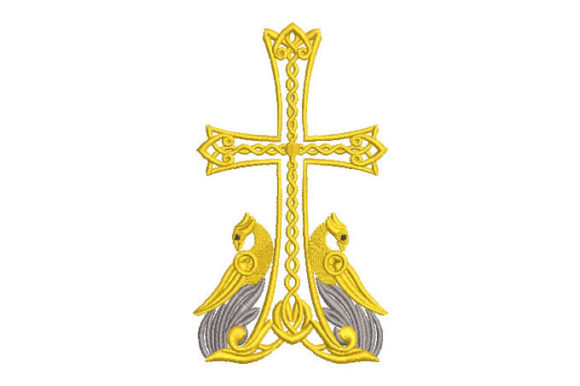
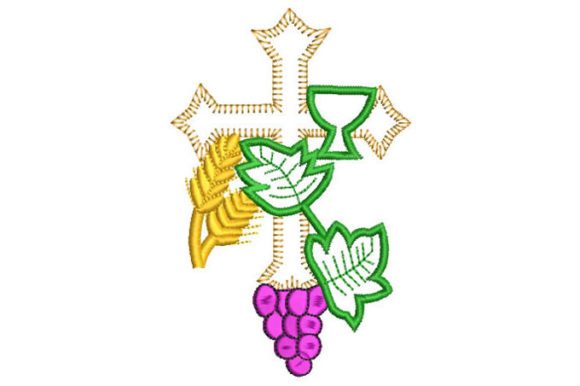
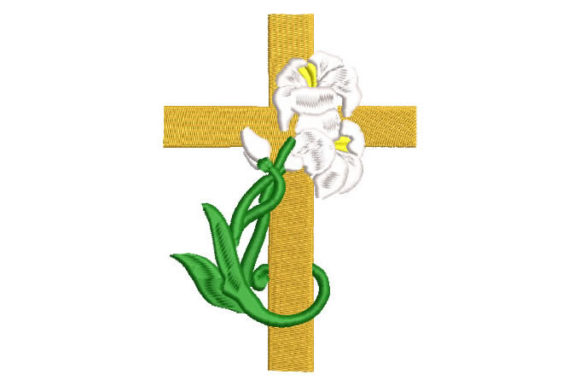
The first thing that strikes you about JHS Liturgical Ornaments is its inherent sense of dignity. The design feels premium, classic, and decorative. In a market saturated with overly modern, minimalist, or playful graphics, this design offers a touch of timeless elegance. For a boutique, a handmade shop, or a creative studio looking to convey trust and heritage, this aesthetic is invaluable. It does not scream for attention; rather, it invites closer inspection. This subtle sophistication makes it an excellent candidate for brands that want to project professionalism and high value without relying on loud colors or aggressive typography.
However, because it is rooted in religious symbolism, the context matters. For a church bookstore, a faith-based nonprofit, or a community organization, the fit is obvious. But for secular businesses like a local bakery or a florist, the design can still work if treated as a symbol of craftsmanship and tradition. The key is in the presentation. When viewed as a standalone artistic element, the ornamental quality of JHS Liturgical Ornaments transcends its specific category, offering a visual language of care and quality.
Real-World Business Applications
So, where does this digital embroidery file shine in a real-world commercial setting? I tested the concept across several common merchandise items to see how it would function as a brand asset.
- Embroidered Patches: This is perhaps the strongest use case. The intricate details of liturgical ornaments often translate beautifully into patch form. A well-digitized patch can be sewn onto denim jackets, canvas bags, or even used as a seal on packaging. For Etsy sellers, offering a limited-edition patch featuring this design could appeal to customers looking for meaningful, high-quality accessories.
- Staff Uniforms and Aprons: Imagine a high-end café or a boutique hotel using this design on staff aprons. Placed subtly on the chest or near the hem, it adds a layer of refinement to the uniform. It signals to customers that the establishment values detail and tradition. Similarly, for a florist or baker, an apron embroidery featuring this ornament can serve as a mark of artisanal pride.
- Tote Bags and Canvas Goods: Tote bags are a staple of small business merch. A tote bag design featuring JHS Liturgical Ornaments centered on the fabric creates a sophisticated look. It moves the item from a simple carrier to a fashion accessory. The contrast of the thread against natural canvas or heavy cotton can be striking, especially if you choose thread colors that complement the fabric tone.
- Cap Embroidery: Using this design on caps requires caution due to the curved surface, but if simplified or scaled correctly, it can work as a side-panel accent or a small front-center logo. It adds a unique twist to standard headwear, appealing to customers who prefer understated branding over large, bold logos.
Navigating Technical Challenges
While the aesthetic appeal is strong, any experienced embroiderer knows that beauty must be balanced with technical feasibility. There are specific areas where JHS Liturgical Ornaments requires careful handling to ensure a high-quality finished product.
Stitch Density and Detail: Liturgical designs often feature fine lines and intricate patterns. If the stitch density is too high, the fabric may pucker, especially on lighter materials. Conversely, if the details are too small for the chosen hoop size, they may become lost or muddy. I strongly advise testing the design on scrap fabric identical to your production material. Check if the fine outlines hold up or if they break apart during stitching.
Fabric Texture and Contrast: The success of this design heavily depends on thread colors and fabric texture. On dark uniforms, you will need high-contrast thread to make the ornament visible. On textured fabrics like tweed or heavy canvas, ensure the stitch length is appropriate so the design does not get lost in the weave. Always use a proper stabilizer to support the fabric and prevent distortion, which is crucial for maintaining the crispness of the ornamental lines.
Size Limitations: Do not attempt to shrink this design below its recommended minimum size. Tiny lettering or microscopic details will not stitch out cleanly. If you need a smaller version for a sleeve detail or a small tag, consult the digitizer to see if a simplified version is available. Never assume a large design will scale down perfectly without losing integrity.
Enhancing Brand Identity and Trust
Incorporating JHS Liturgical Ornaments into your product line is more than just adding a pretty picture; it is a strategic move for your brand identity. Consistency in visual assets builds recognition. If your brand values heritage, quality, and community, this design reinforces those messages every time a customer sees it on a shirt, bag, or patch.
For handmade brands, the presence of detailed embroidery signals effort and skill. It differentiates your small business merch from mass-produced, printed alternatives. Customers perceive embroidered items as higher value, which can justify a higher price point. Furthermore, using such a distinctive design can foster buyer engagement. People love to share unique, beautiful items on social media, providing organic marketing for your business.
Practical Designer Notes for Production
Before you commit to a large production run, follow these practical steps to ensure success with JHS Liturgical Ornaments:
- Test in Black and White: Before selecting fancy thread colors, stitch the design in black thread on white fabric. This helps you evaluate the clarity of the shapes and the balance of the composition without the distraction of color.
- Verify File Formats: The product description states that this machine embroidery design comes with multiple embroidery file formats. Ensure you have the correct format for your specific machine (e.g., PES, DST, EXP) before starting. Incorrect formats can lead to sizing errors or stitching failures.
- Check Commercial Licensing: Always confirm the license terms. Since you are using this for commercial embroidery and selling finished goods, you must ensure the license allows for unlimited production or specifies any restrictions. Do not assume; read the fine print.
- Create a Printable Mockup: Use a printable mockup to visualize the design on different products. Place it on a virtual apron, cap, or tote bag to see how it interacts with seams, pockets, and curves. This step saves time and money by preventing costly physical mistakes.
- Compare with Other Assets: Place JHS Liturgical Ornaments beside your existing logo and other design assets. Does it complement them? Does it clash? Visual consistency is key to a professional brand presentation.
In conclusion, JHS Liturgical Ornaments is a versatile and high-quality asset for designers willing to look beyond its immediate religious categorization. With careful attention to technical details and strategic placement, it can elevate custom apparel and accessories, adding a layer of sophistication and trust to your small business offerings. Whether you are creating branded patches for a local shop or elegant tote bags for an online store, this design offers the potential for a truly premium handmade product.