Reviewing Person Scrapbooking for Custom Gifts
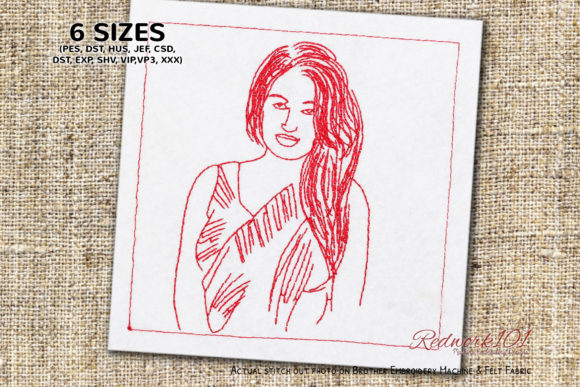
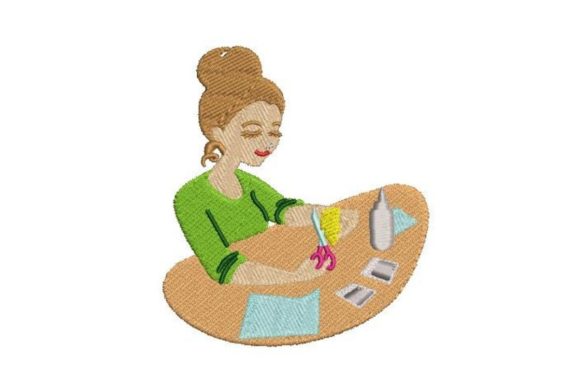
As an embroidery designer who has spent years digitizing and testing patterns for small businesses, I approach every new machine embroidery design with a critical eye. It is not just about whether the image looks cute on a screen; it is about how it translates to fabric, how it holds up in the wash, and ultimately, how it helps my clients sell more personalized gift items. Recently, I had the chance to test a charming pattern titled Person Scrapbooking. This design features a lovely illustration of a girl engaged in the nostalgic art of scrapbooking, a hobby dedicated to preserving family history in books, boxes, or cards. For those of us in the Sewing and Embroidery community, finding designs that evoke warmth and memory is gold.
First Impressions: Mood and Emotional Appeal
When I first loaded the digital embroidery file into my software, the immediate impression was one of sweetness and nostalgia. The design does not scream for attention with loud colors or aggressive lines. Instead, it offers a gentle, handmade aesthetic that feels incredibly inviting. The subject matter—a girl scrapbooking—immediately triggers an emotional connection. It speaks to customers who value memories, family heritage, and the tactile joy of creating keepsakes. This makes the design particularly suitable for markets that prioritize sentiment over trendiness.
The charm lies in its simplicity. It feels playful yet classic, avoiding overly modern or abstract elements that might date quickly. For a small shop product, this timelessness is crucial. You want a design that a customer will love today and still appreciate five years from now when they look back at the gift. The level of detail appears balanced, offering enough intricacy to look professional without becoming a nightmare of thread breaks during production.
Versatility Across Product Lines
One of the strongest aspects of Person Scrapbooking is its versatility. I tested this design across several potential product categories to see where it would shine brightest. Here is how it performs in different applications:
- Baby Embroidery: The cute nature of the girl character makes this a natural fit for nursery items. Imagine this stitched onto a soft muslin blanket embroidery project or a bib. It appeals to parents who are already thinking about documenting their child’s growth.
- Kitchen and Home Textiles: An embroidered towel featuring this design would make a thoughtful housewarming gift. The theme of preserving memories pairs well with kitchen towels used during family gatherings and holidays.
- Tote Bags and Aprons: For the crafty customer, stitching this onto a canvas tote or a cotton apron creates a functional piece of art. It signals that the owner values creativity and organization.
- Wedding and Family Keepsakes: While not explicitly romantic, the theme of history and preservation aligns beautifully with wedding gifts. A pillow cover with this design could be part of a bridal shower gift set, encouraging the couple to start their own memory book.
For Etsy sellers and handmade product creators, this versatility means you can market the same embroidery file to multiple niches. You are not limited to just one type of buyer. You can target new moms, craft enthusiasts, and sentimental gift-givers simultaneously.
Navigating Technical Challenges
While the design is aesthetically pleasing, practical application requires caution. As a professional, I must highlight where Person Scrapbooking needs careful handling. The depiction of scrapbooking implies certain details—perhaps small books, pens, or paper textures. In custom embroidery, tiny details can get lost if the stitch density is too low or if the fabric texture is too rough.
If you are stitching on textured fabric, such as a waffle-weave towel or a thick terry cloth, the finer lines of the design may blur. I recommend using a high-quality cut-away stabilizer to support the stitches and prevent puckering. Additionally, if you are working with stretchy baby clothes, the hoop tension must be precise. A distorted image of a girl scrapbooking loses its charm quickly.
Another consideration is color contrast. The design likely relies on subtle shifts in tone to define the girl’s features and her scrapbooking materials. On dark fabric, these nuances might disappear unless you carefully select thread colors that pop. Always run a test stitch on a scrap piece of your actual production fabric. Do not assume that what looks good on a white cotton test swatch will look identical on a navy blue linen tote.
Enhancing Perceived Value and Giftability
Why does this specific design matter for your bottom line? It comes down to perceived value and emotional resonance. A generic monogram is nice, but a scene that tells a story is memorable. When a customer sees Person Scrapbooking on a finished product, they see effort and thoughtfulness. This increases the giftability of the item.
In product photography, this design offers excellent opportunities. You can style the shot with actual scrapbooking supplies—vintage photos, ribbons, and journals—to create a cohesive narrative. This kind of lifestyle imagery drives buyer engagement on social media and marketplace listings. It helps the customer visualize the product in their own life, strengthening the emotional connection before they even click "buy."
Furthermore, using a thematic design like this builds trust. It shows that you, the seller, curate your collection with care. You are not just slapping logos on blanks; you are offering commercial embroidery art that enhances the utility and beauty of the base product. This distinction is vital for standing out in a crowded market.
Practical Steps for Production Success
Before you list this as a finished product or offer it as a printable mockup option for custom orders, follow these essential steps:
- Check the Specs: The product description mentions it is a machine embroidery design, but it does not specify exact stitch counts or available formats. Always verify the file types (PES, DST, JEF, etc.) match your machine’s requirements before purchasing.
- Confirm Licensing: Ensure the license allows for commercial use if you plan to sell physical items. Some designers restrict the number of units you can produce.
- Test Hoop Size: Determine the minimum hoop size required. If the design is large, you may need a 5x7 or larger hoop, which limits the products you can use it on. Small hoops might require resizing, which can affect stitch quality.
- Review Stitch Density: High density can cause stiffness, especially on baby items. Check if the design uses underlay stitches effectively to anchor the top stitches without adding unnecessary bulk.
- Create Mockups: Use digital tools to place the design on various backgrounds. Compare how it looks on light versus dark fabrics to advise your customers on the best color combinations.
In conclusion, Person Scrapbooking is a delightful addition to any embroidery library focused on sentimental and family-oriented goods. It bridges the gap between hobbyist charm and professional presentation. By respecting the technical limitations of small details and leveraging the emotional power of the theme, you can create standout items that resonate deeply with your customers. Whether you are designing for a baby shower, a wedding, or a cozy home accessory, this design invites you to slow down and celebrate the art of memory keeping through the needle and thread.