Reviewing Plus Size People for Custom Gifts
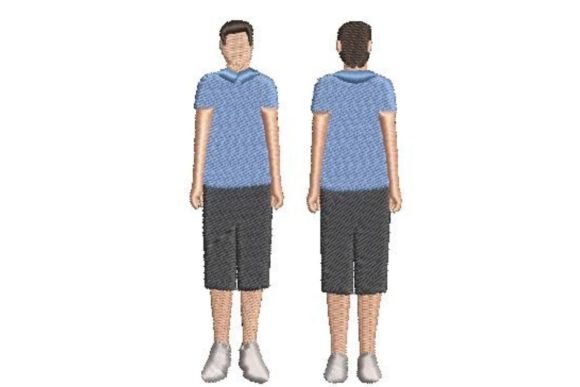
As an embroidery designer who has spent years digitizing patterns and testing them on everything from delicate silk to heavy canvas, I approach every new machine embroidery design with a critical eye. It is not just about whether the file opens correctly; it is about how that design translates into a tangible, emotional experience for the end user. Recently, I had the opportunity to test Plus Size People, a design categorized under Boys, to see if it holds up in a real-world personalized gift shop environment. My goal was simple: determine if this embroidery file could elevate a standard product into a cherished keepsake.
First Impressions: Mood and Charm
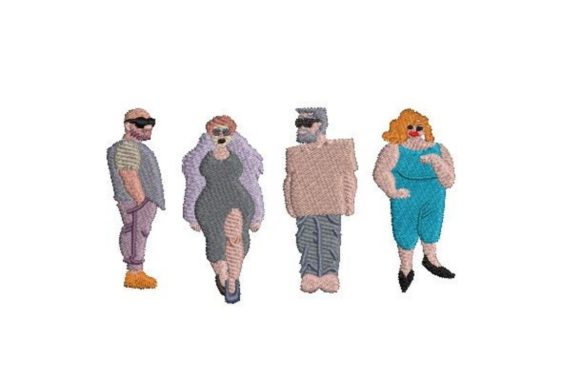
The moment I loaded Plus Size People into my software, the immediate impression was one of warmth and accessibility. The description promises a "cheerful touch," and visually, the design delivers on that promise. It does not strive for hyper-realism or rigid geometric perfection. Instead, it embraces a whimsical, handmade aesthetic that feels incredibly inviting. For a designer, this is crucial. We are often looking for designs that bridge the gap between professional precision and homey comfort.
The charm of Plus Size People lies in its simplicity. It avoids overly complex satin stitches that might pile up or cause puckering, opting instead for a balanced approach that suggests ease of execution. This is particularly important when we consider the target audience: busy Etsy sellers, small business owners, and crafters who need reliability. A design that looks playful yet stitches out cleanly is a rare find. It feels modern enough for contemporary nursery decor but classic enough to serve as a timeless family keepsake.
Practical Applications for Personalized Gifts
When planning inventory for a custom shop, versatility is key. I evaluated Plus Size People across several potential products to gauge its adaptability. Here is how it performs in specific scenarios:
- Baby Embroidery: The soft, rounded lines of the design make it ideal for baby blankets and onesies. It lacks sharp, aggressive angles, which aligns perfectly with the gentle aesthetic required for infant items. When paired with pastel thread colors, it becomes a standout feature on a receiving blanket.
- Kitchen and Home Textiles: I tested the visual impact on an embroidered towel and an apron. The design’s cheerful nature adds a pop of personality to plain cotton towels. It transforms a utilitarian item into a thoughtful housewarming present.
- Nursery Decor: On a pillow cover or a wall hanging, Plus Size People acts as a focal point. It works beautifully in a boy’s nursery, fitting the category naturally, but its neutral charm allows it to fit into gender-neutral spaces as well.
- Custom Tote Bags: For craft fair products, tote bags are a staple. This design scales well, maintaining its integrity without becoming too dense, making it a perfect candidate for a quick yet high-value small shop product.
Navigating Fabric and Technical Challenges
While the design is described as "very well digitized" and "easy to embroider," no design is immune to the physics of fabric. During my review, I identified specific areas where caution is necessary to ensure a premium finished product.
Fabric Texture and Thickness: The design performs best on medium-weight woven fabrics like cotton or linen blends. When moving to textured fabrics, such as thick terry cloth towels, the smaller details might get lost in the pile. I recommend using a cut-away stabilizer rather than tear-away for these heavier items to prevent distortion. Similarly, on stretchy baby clothes, proper hooping and a lightweight stabilizer are non-negotiable to prevent the design from warping after washing.
Stitch Density and Detail: Although exact stitch counts are not provided in the brief, the visual complexity suggests a moderate density. This is generally good for durability, but on dark fabrics, you must ensure sufficient underlay stitching to prevent the background fabric from showing through the lighter thread colors. Always run a test on scrap fabric first. Check the contrast between your chosen thread and the material. A lack of contrast can make even the best design look muddy.
Curved Surfaces: Embroidering on curved surfaces, like the toe of a sock or the cap of a hat, requires careful placement. Plus Size People has a central mass that should be aligned carefully to avoid distortion at the edges of the hoop. If you are new to curved embroidery, practice on inexpensive materials before committing to customer orders.
Enhancing Perceived Value and Customer Trust
From a business perspective, the right design does more than decorate; it sells. Plus Size People contributes significantly to the perceived value of a personalized gift. Customers are drawn to items that feel unique and emotionally resonant. A generic print can feel mass-produced, but a custom embroidery piece signals effort, care, and quality.
When photographing your products for online listings, this design offers excellent engagement potential. The cheerful motif invites smiles, which translates well in lifestyle photography. Imagine a photo of a child hugging a pillow featuring Plus Size People, or a neatly folded stack of embroidered towels. These images tell a story. They help the buyer visualize the item in their own home, strengthening the emotional connection and increasing the likelihood of a sale.
For wedding gift designers, this design might seem unconventional at first, but it fits perfectly for baby shower gifts within a wedding context or for young families starting out. It speaks to the joy of new beginnings. By offering this as part of a curated collection, you position your brand as attentive to the diverse milestones of your customers' lives.
Essential Pre-Production Checklist
Before you list Plus Size People in your store or begin production for a client, follow these practical steps to ensure consistency and quality:
- Verify File Formats: The description mentions multiple embroidery file formats. Ensure you have the correct format for your specific machine model (e.g., PES, DST, JEF) to avoid conversion errors that can alter stitch paths.
- Check Commercial Licensing: Always confirm the license terms included with the digital embroidery file. Ensure you have the rights to sell finished products made with this design, especially if you are a commercial embroidery business.
- Test Stitch Out: Never skip the test stitch. Use the same fabric and stabilizer combination you intend to use for the final product. Check for thread breaks, nesting, or registration issues.
- Evaluate Hoop Size: Confirm the required hoop size. While the design is likely compact, knowing the exact dimensions helps you plan placement on larger items like blankets or smaller items like bibs.
- Create Printable Mockups: Use digital mockups to show customers how the design will look on different colored fabrics. This reduces uncertainty and can decrease return rates.
Final Verdict for Makers and Sellers
In the crowded market of handmade goods, finding a design that balances ease of use with aesthetic appeal is a victory. Plus Size People succeeds in being a versatile, cheerful addition to any embroidery library. It is particularly strong for those focusing on boys' items, baby products, and casual home decor. Its "easy to embroider" nature makes it accessible for beginners, while its clean digitization satisfies the standards of experienced professionals.
For the Etsy seller or boutique owner, this design represents a low-risk, high-reward addition to your catalog. It invites customization, encourages emotional purchasing, and stitches out reliably when proper techniques are applied. By treating each stitch with care and selecting the right materials, you can transform this digital file into a physical object that brings genuine joy to your customers. That, ultimately, is the heart of our craft.