Reviewing the Person Wearing a Hearing Aid Design
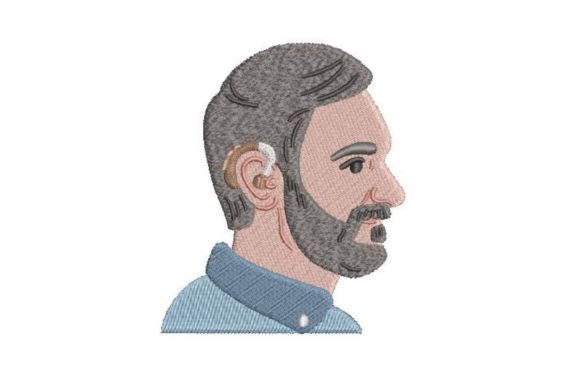
As an embroidery designer who has spent years digitizing and testing files for real-world application, I approach every new machine embroidery design with a critical eye. It is not just about whether the file opens correctly in software; it is about how the design behaves under the needle, how it reads on fabric, and the emotional resonance it carries for the end user. Recently, I evaluated the Person Wearing a Hearing Aid design, a piece categorized under Awareness. This is not merely a decorative motif; it is a statement of inclusion and support. In this review, I will break down its practical performance, aesthetic value, and suitability for various embroidery projects.
First Impressions and Visual Personality
The first thing that strikes you about the Person Wearing a Hearing Aid design is its thoughtful composition. In the realm of awareness-themed Embroidery, there is a fine line between being illustrative and being overly complex. This design manages to strike a balance. The lines are clean, suggesting a modern, approachable style rather than a clinical or medical aesthetic. The mood it creates is one of quiet confidence and normalization.
From a technical standpoint, the layout appears well-structured for standard hoop sizes. The details are significant but not so dense that they risk puckering on lighter fabrics. For a designer, this means the file likely utilizes a smart combination of satin stitch for outlines and fill stitch for broader areas, ensuring clarity without excessive bulk. The visual personality is warm and inviting, making it an excellent candidate for products meant to foster conversation and connection.
Real-World Application: A Case Study
To truly understand the value of this digital embroidery file, I imagined a specific scenario: creating a custom tote bag for a local non-profit organization focused on hearing health. The goal was to produce a handmade product that volunteers could wear or carry during community outreach events. I selected a medium-weight cotton canvas for the tote bag design, paired with a cut-away stabilizer to ensure longevity.
Stitching out the Person Wearing a Hearing Aid on this fabric revealed its strengths. The design held its shape well, and the contrast between the thread colors and the natural canvas made the image pop. It was not just a logo; it felt like a piece of art. This experience highlighted how the design can elevate a simple item into a meaningful personalized gift or a professional piece of merchandise for a craft business. Whether used on a sweatshirt for a family member or as part of a boutique’s awareness collection, the design translates effectively from screen to stitch.
Versatility Across Product Lines
The versatility of this design is one of its strongest assets for Etsy sellers and small shop product creators. Here is how it performs across different categories:
- Custom Apparel: On a sweatshirt embroidery project, the design sits comfortably on the chest or sleeve. The scale is appropriate for adult garments, providing visibility without overwhelming the garment.
- Baby Items: For baby embroidery, such as onesies or bibs, the design’s soft lines work well. However, care must be taken with thread colors to ensure they are gentle and appealing to parents looking for cute yet meaningful decor.
- Accessories: As an embroidered patch, this design can be ironed or sewn onto jackets, bags, or hats. This allows for removable awareness statements, adding value for customers who want flexibility.
- Home Decor: Imagine this on a pillow cover or a kitchen towel. It serves as a subtle reminder of inclusivity in domestic spaces, perfect for holiday embroidery gifts or housewarming presents.
Technical Considerations and Fabric Choices
While the design is robust, no machine embroidery design is universal. There are specific situations where caution is required. For instance, when working with textured fabrics like terry cloth or heavy fleece, the finer details of the hearing aid illustration might get lost. In these cases, increasing the stitch density slightly or choosing high-contrast thread colors can help maintain clarity.
Stretchy fabrics, such as jersey knits used in t-shirts, require careful stabilization. If the hoop size is too small for the design, you may encounter registration issues where the stitches do not align perfectly. Always test on scrap fabric first. Additionally, if you are using this design on dark fabric, consider using a white or light-colored underlay to prevent the background color from showing through the stitches, which can muddy the visual appeal.
Curved surfaces, like caps, present another challenge. The Person Wearing a Hearing Aid design has a relatively flat profile, which is good, but you must ensure the center of the design aligns with the cap’s seam to avoid distortion. For commercial embroidery projects involving high-volume production, consistent tension and high-quality stabilizers are non-negotiable to maintain professionalism.
Enhancing Brand Value and Customer Trust
For creative entrepreneurs and digital product sellers, the choice of design directly impacts brand perception. Using a well-digitized, sensitive design like this one signals that your brand values quality and social responsibility. It builds customer trust because the finished product looks professional and respectful of the subject matter.
When creating printable mockup images for your online store, ensure that the lighting and angle showcase the texture of the stitches. Buyers of design assets and finished goods want to see the tactile quality of the embroidery. A clear, high-resolution photo of the stitched design on a finished product can significantly boost buyer engagement and conversion rates.
Practical Designer Notes for Best Results
Before you commit to using this design in a client project or for your own inventory, consider these practical steps:
- Test Stitch-Outs: Always run a test on the same fabric type you plan to use for the final product. Check for any thread breaks or nesting issues.
- Color Contrast: Review the design in black and white to ensure the shapes are distinct. This helps in selecting thread colors that provide enough contrast for the design to be readable from a distance.
- Check Licensing: Confirm the license terms provided with the embroidery file. Ensure you have the right to use it for commercial purposes if you plan to sell the finished product.
- Stabilizer Selection: Match your stabilizer to your fabric. Use cut-away for stretchy knits and tear-away for stable wovens. Proper stabilization prevents distortion and ensures the design lays flat.
- Detail Inspection: Zoom in on the digital preview to check for tiny, isolated stitches that might cause trimming issues. If necessary, edit the file in your digitizing software to simplify overly complex areas.
In conclusion, the Person Wearing a Hearing Aid design is a valuable addition to any awareness-focused collection. It combines aesthetic appeal with technical reliability, making it suitable for a wide range of applications from custom apparel to home decor. By understanding its strengths and limitations, you can leverage this design to create meaningful, high-quality products that resonate with your customers and support a worthy cause. Whether you are an experienced embroidery professional or a hobbyist looking to make a difference, this design offers a practical and poignant way to express solidarity and style.